The Successes of the Montpellier PUI
The Montpellier University Innovation Hub presents its success stories!
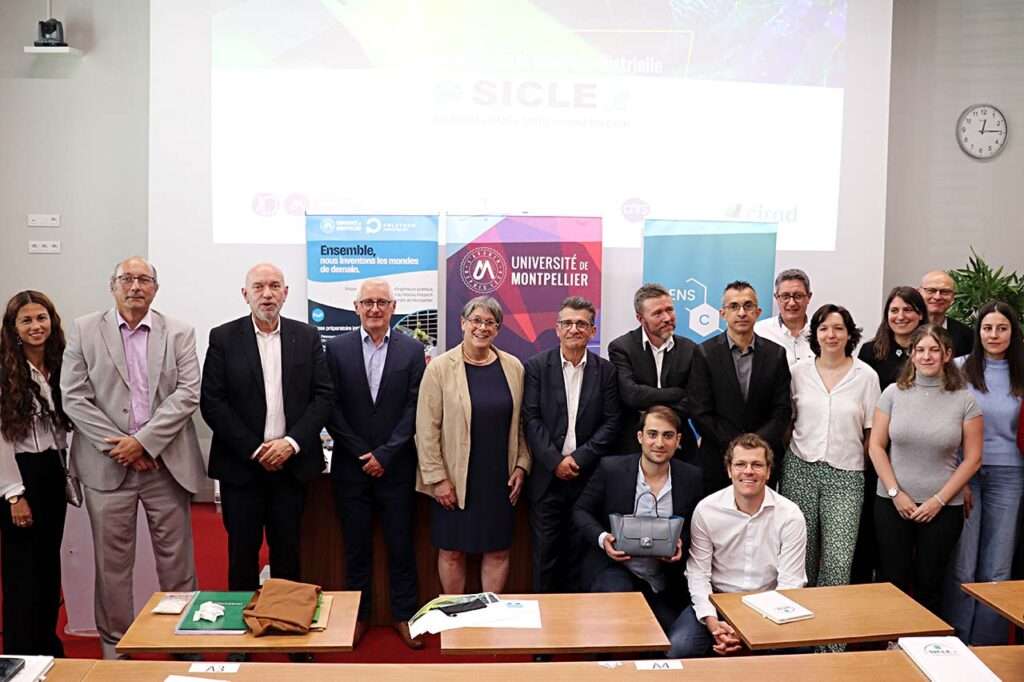
The SICLE.e Industrial Chair is developing a silicon-based leather tanning process.
Supported and recognized by the University Innovation Cluster (PUI), it receives funding fromthe ANR as part of the Industrial Chairs call for proposals.
The result of acollaboration between researchers at the Charles Gerhardt Institute in Montpellier (ICGM)and the Saint-Gobain, the Pheno-recycle has led to the development of innovative processes forrecycling phenolic resin.
A project supported by the Montpellier University Innovation Hub.

Neurobiomics, a joint venture betweenthe Institute of Functional Genomics ( IGF) andthe Pasteur Institute, is focusing on the gut microbiota to develop a drug that could improve memory.
An innovative project supported by the Montpellier University Innovation Hub.

Developed at theUMR Eco&Sols, Scanorhize—led by Christophe Jourdan (CIRAD) and William Arditi—is an underground optical sensor that continuously monitors root growth to assess the impact of fertilizers, irrigation, or drought, paving the way for more sustainable agriculture.
A project supported and recognized by the Montpellier University Innovation Hub.
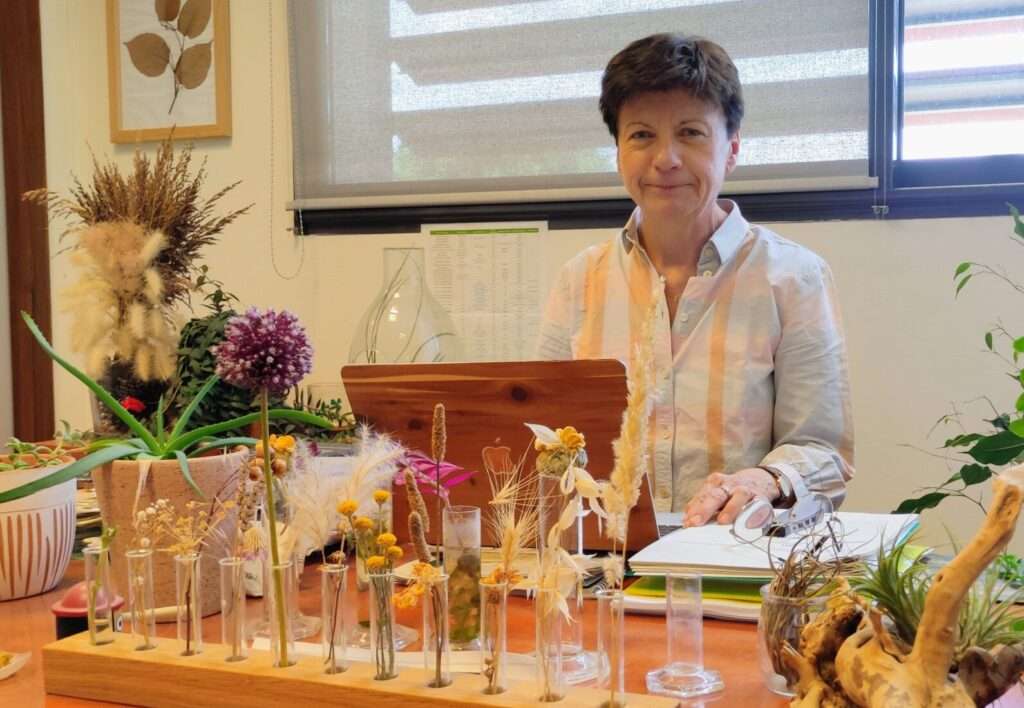
Supported and recognized by the Montpellier University Innovation Hub (PUI), Crusoé, developed by Claude Grison ( ChimEco laboratory), is a 100% natural, bio-based tiger mosquito repellent inspired by nature and environmentally friendly.
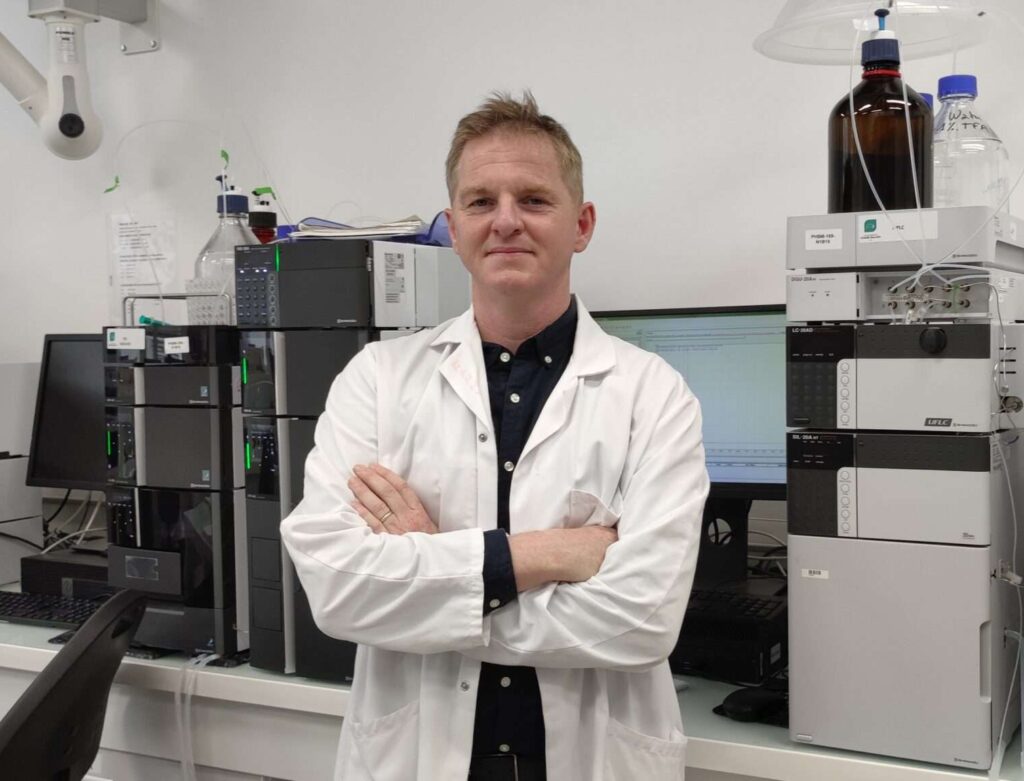
Based at the Innovation and Technology Transfer Center (CIT) of the Balard Chemistry Cluster, Womed was founded in 2018.
It is developing, in partnership with theIBMM, Womed Leaf, a medical device designed to prevent intrauterine adhesions, while also developing new solutions to treat fibroids, endometriosis, and uterine bleeding.

Founded in 2024 by Clélia Oliva, Terratis produces sterilized mosquitoes to reduce theAedes albopictus population.
With support from the Initium incubator and the Montpellier University Innovation Hub, the startup will open a pilot biorefinery in 2026 and an industrial facility by 2028 to increase its production.
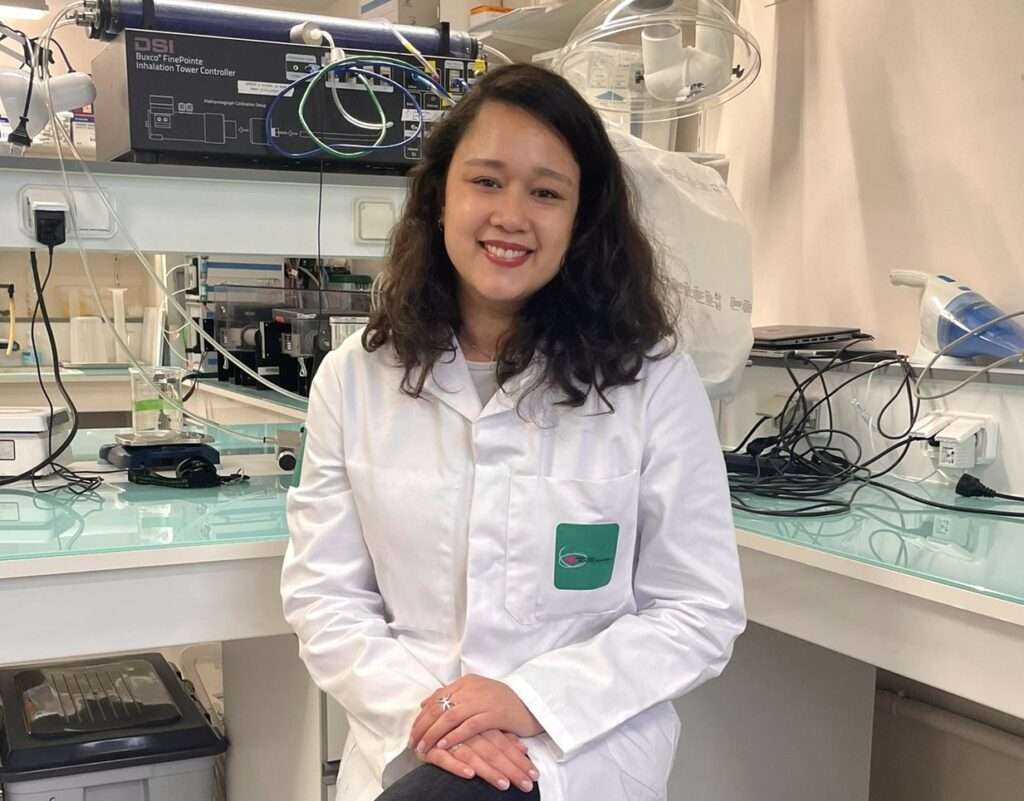
A winner of the Montpellier Innovation Booster (BIM), Sarah Colombani, a research engineer at the PhyMedExp laboratory, is leading the project OcciCal Therapeutics, a startup spun off fromInserm, the CNRS, and theUniversity of Montpellier, which aims to develop an innovative treatment for a common respiratory disorder in hospital settings.